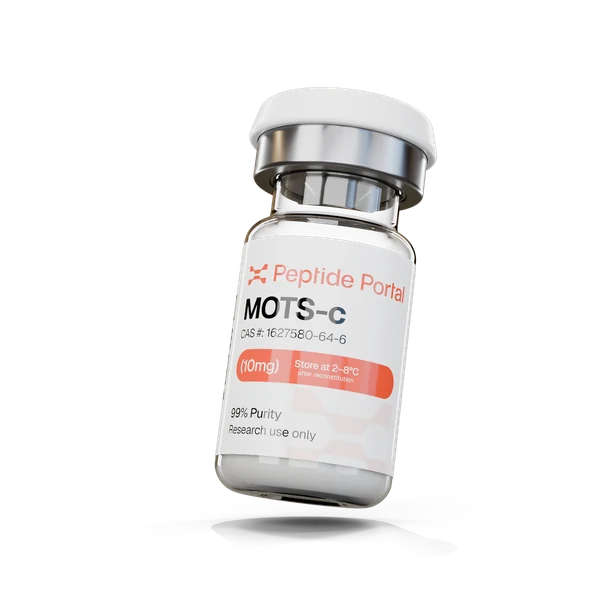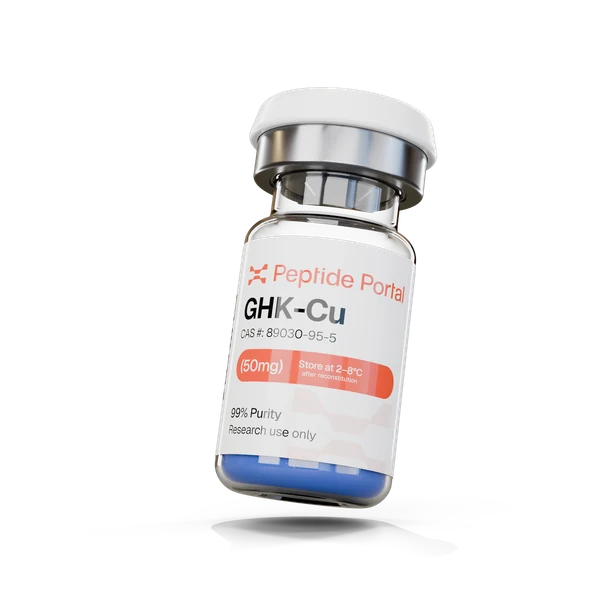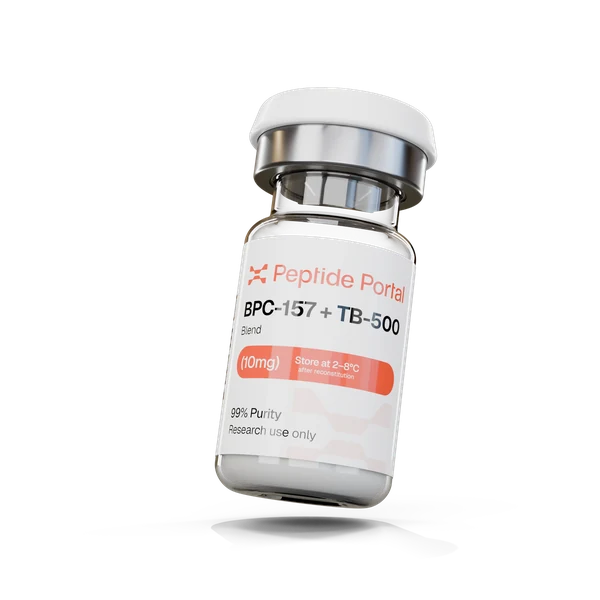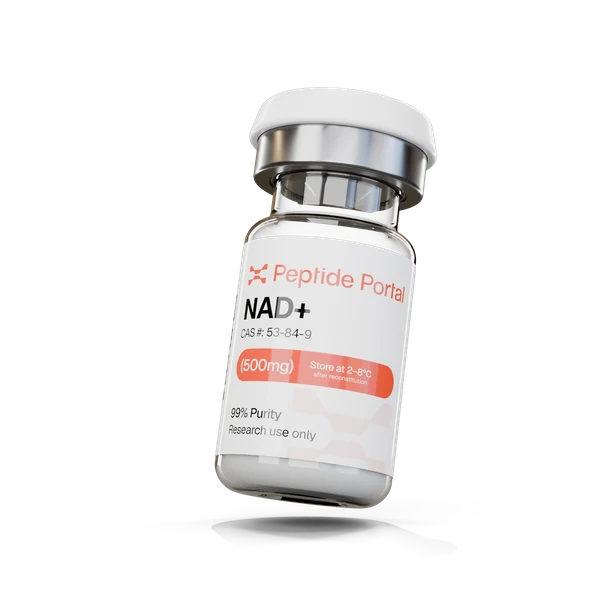

STEP 1
Sterile Lyophilization
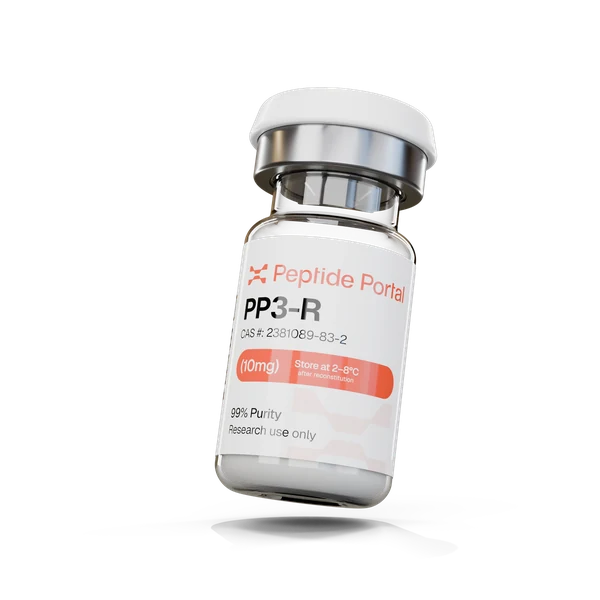
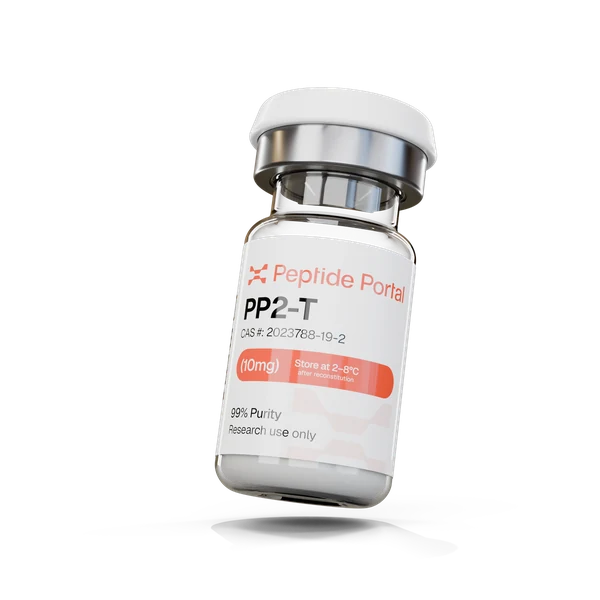
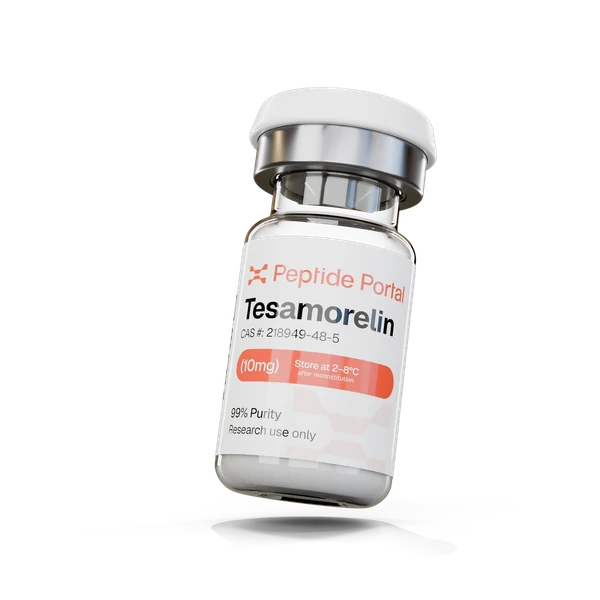
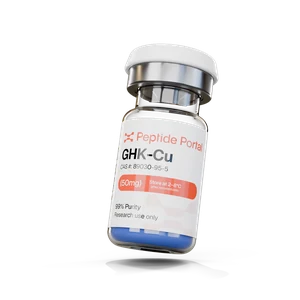
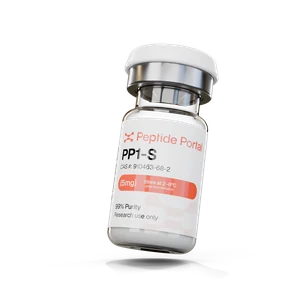
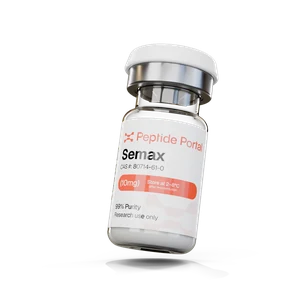
Compounds are produced under documented quality procedures, then freeze-dried and nitrogen-sealed in sterile vials.

Research use only
Peptide Portal supplies research peptides exclusively to qualified researchers and laboratories for in vitro and laboratory use. Please confirm before continuing.
By proceeding you affirm the statements above are true. Not a researcher? Exit
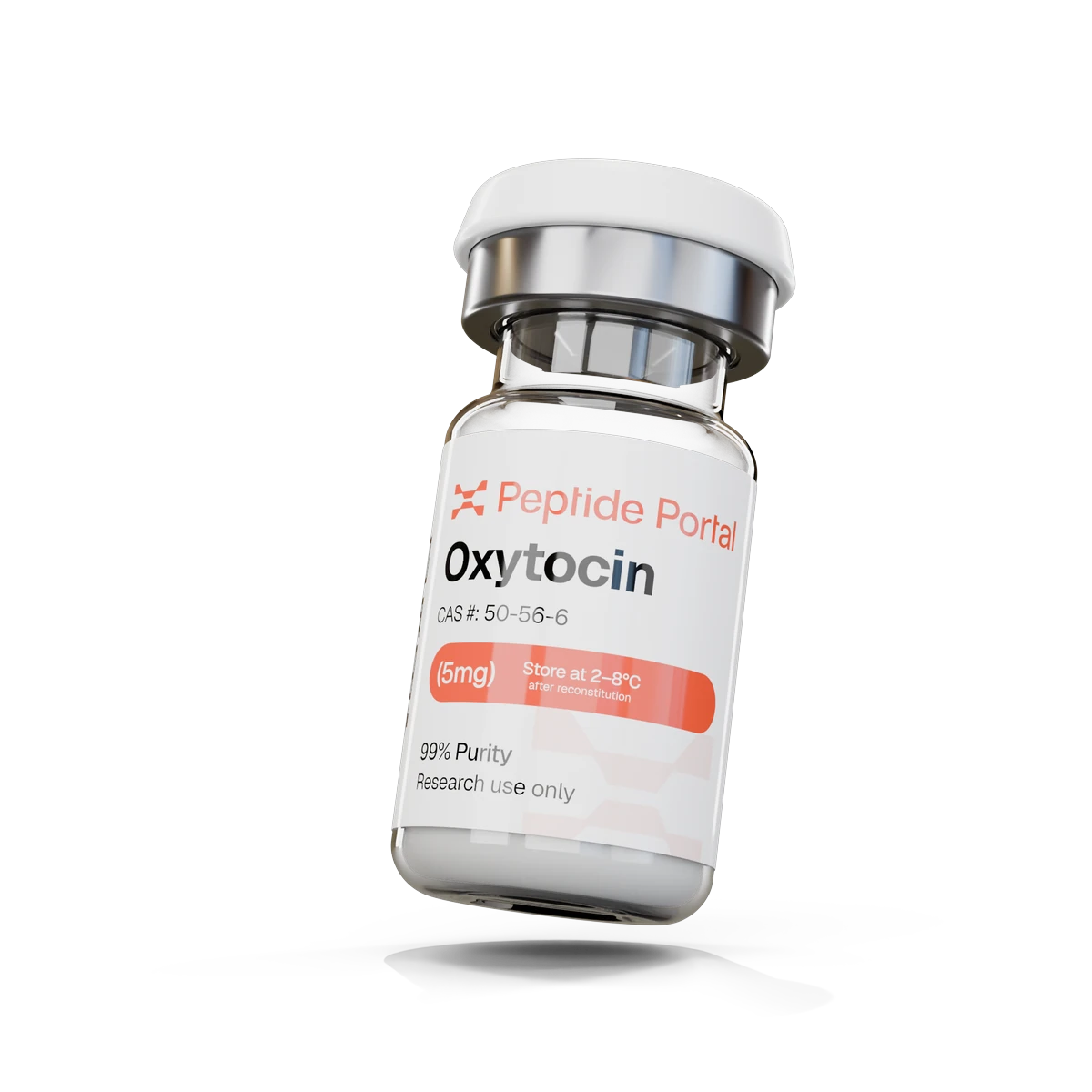
CAS #: 50-56-6
Peptide Portal supplies research peptides exclusively to qualified researchers and laboratories for in vitro and laboratory use. Products are not for human or veterinary use, not for use in diagnostic procedures, and have not been evaluated by the U.S. Food and Drug Administration.
Oxytocin is a cyclic nonapeptide with a disulfide bridge between cysteine residues at positions 1 and 6, synthesized as a prohormone in hypothalamic magnocellular neurons and transported to the posterior pituitary for release. Through binding to its target receptor (OXTR), a G-protein-coupled receptor, it activates phospholipase C-mediated pathways leading to intracellular calcium release and protein kinase C activation. Research models examine oxytocin's effects on smooth muscle signaling dynamics, myoepithelial contraction modeling, CNS behavioral pathways, stress response signaling, and autonomic nervous system modulation in laboratory settings. Lee et al. (2009).
Gimpl & Fahrenholz (2001).
Oxytocin was first isolated from the posterior pituitary gland by Henry Dale in 1906, who observed its smooth muscle signaling properties. The complete amino acid sequence was determined by Vincent du Vigneaud in 1953, and he successfully synthesized the peptide shortly thereafter, earning the Nobel Prize in Chemistry in 1955. This represented the first synthesis of a polypeptide hormone and established oxytocin as a foundational molecule in peptide biochemistry and neuroendocrinology.
Du Vigneaud et al. (1953).
STEP 1
Compounds are produced under documented quality procedures, then freeze-dried and nitrogen-sealed in sterile vials.
STEP 2
ISO 17025 accredited third-party labs verify every lot — purity by HPLC, identity by mass spectrometry.
STEP 3
Orders leave our U.S. fulfillment center the same day, with tracking and discreet packaging on every order.
Our team works around the clock, 24/7.
Each vial contains the labelled quantity of lyophilized peptide. The stated milligram figure refers to the peptide content, not the total mass of the lyophilized cake.
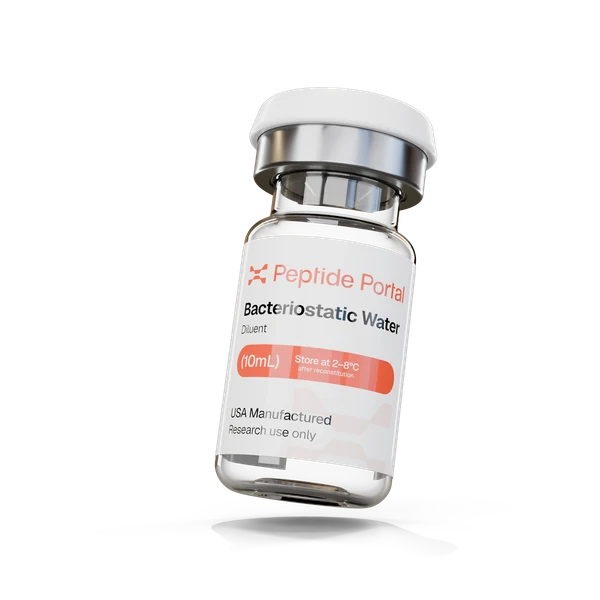
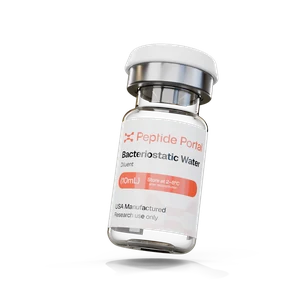
Reconstitution requires bacteriostatic water and appropriate laboratory equipment, which are not included.
Products ship as research materials without directions for use. Handling should follow your own laboratory protocols.
Store lyophilized material at 2-8°C and away from light. Once reconstituted, follow your laboratory's stability guidance.
This browser cannot display the certificate inline.