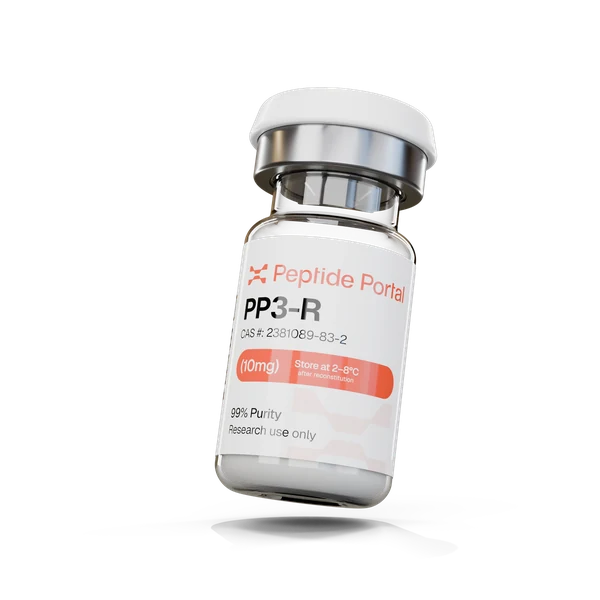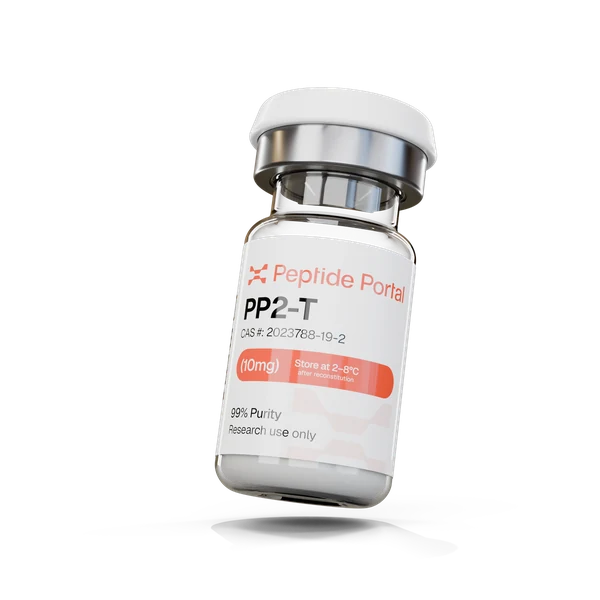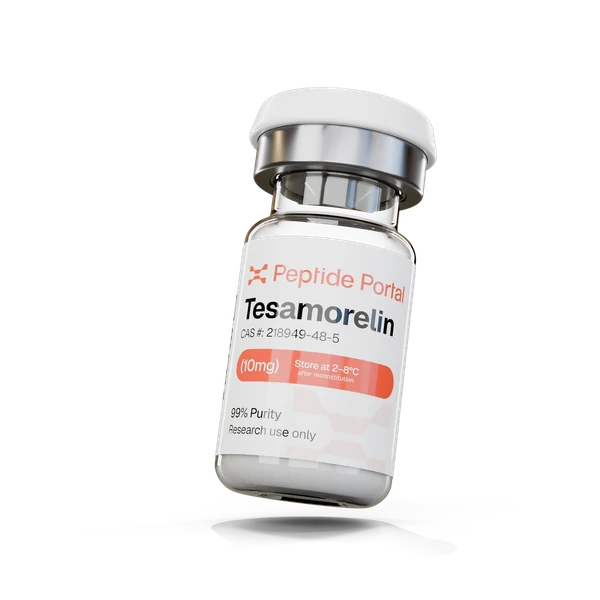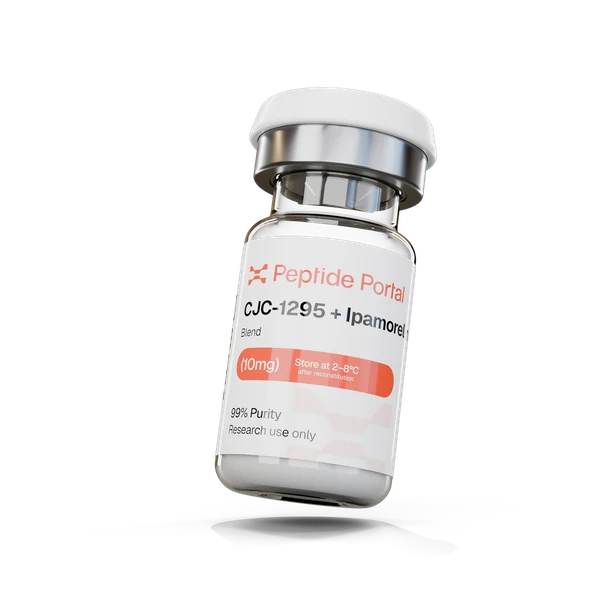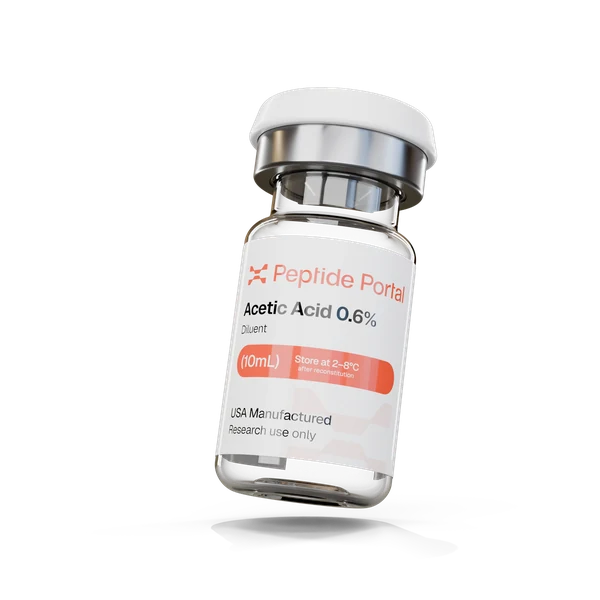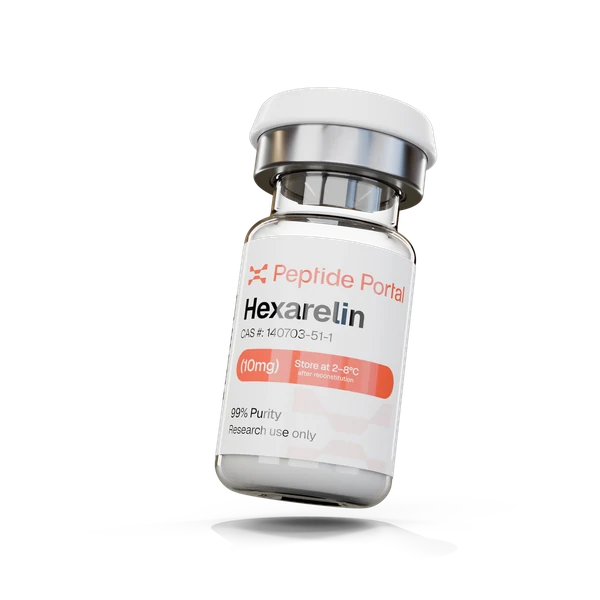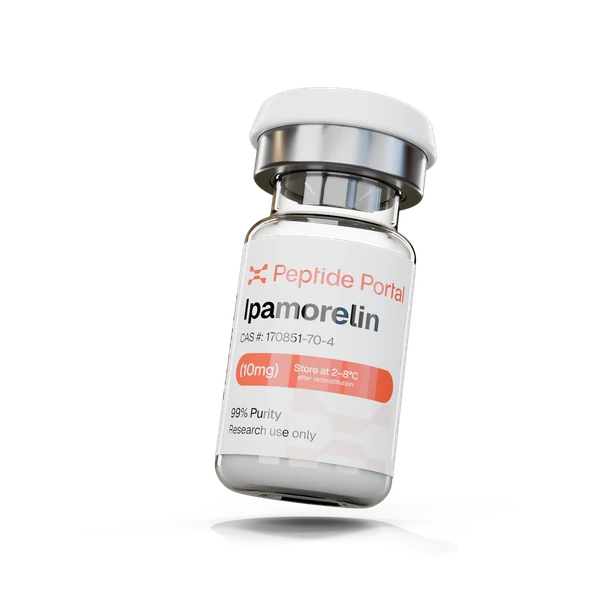

STEP 1
Sterile Lyophilization
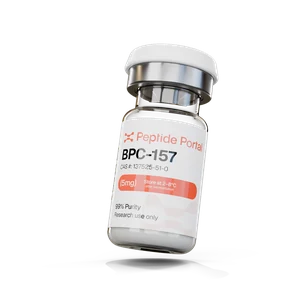
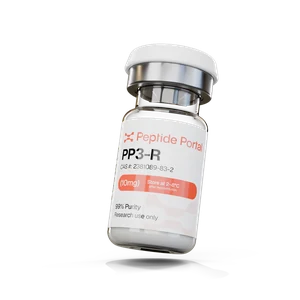
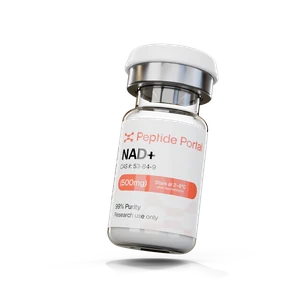
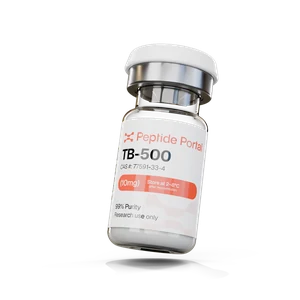
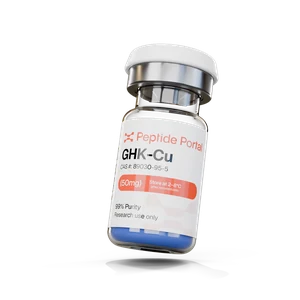
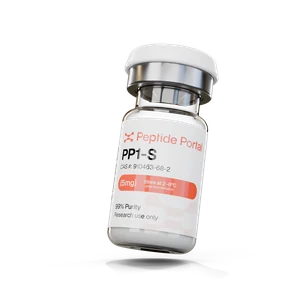
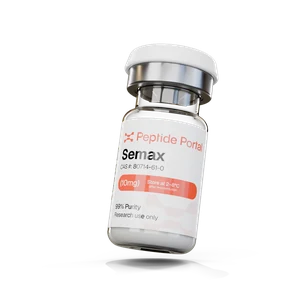
Compounds are produced under documented quality procedures, then freeze-dried and nitrogen-sealed in sterile vials.

Research use only
Peptide Portal supplies research peptides exclusively to qualified researchers and laboratories for in vitro and laboratory use. Please confirm before continuing.
By proceeding you affirm the statements above are true. Not a researcher? Exit
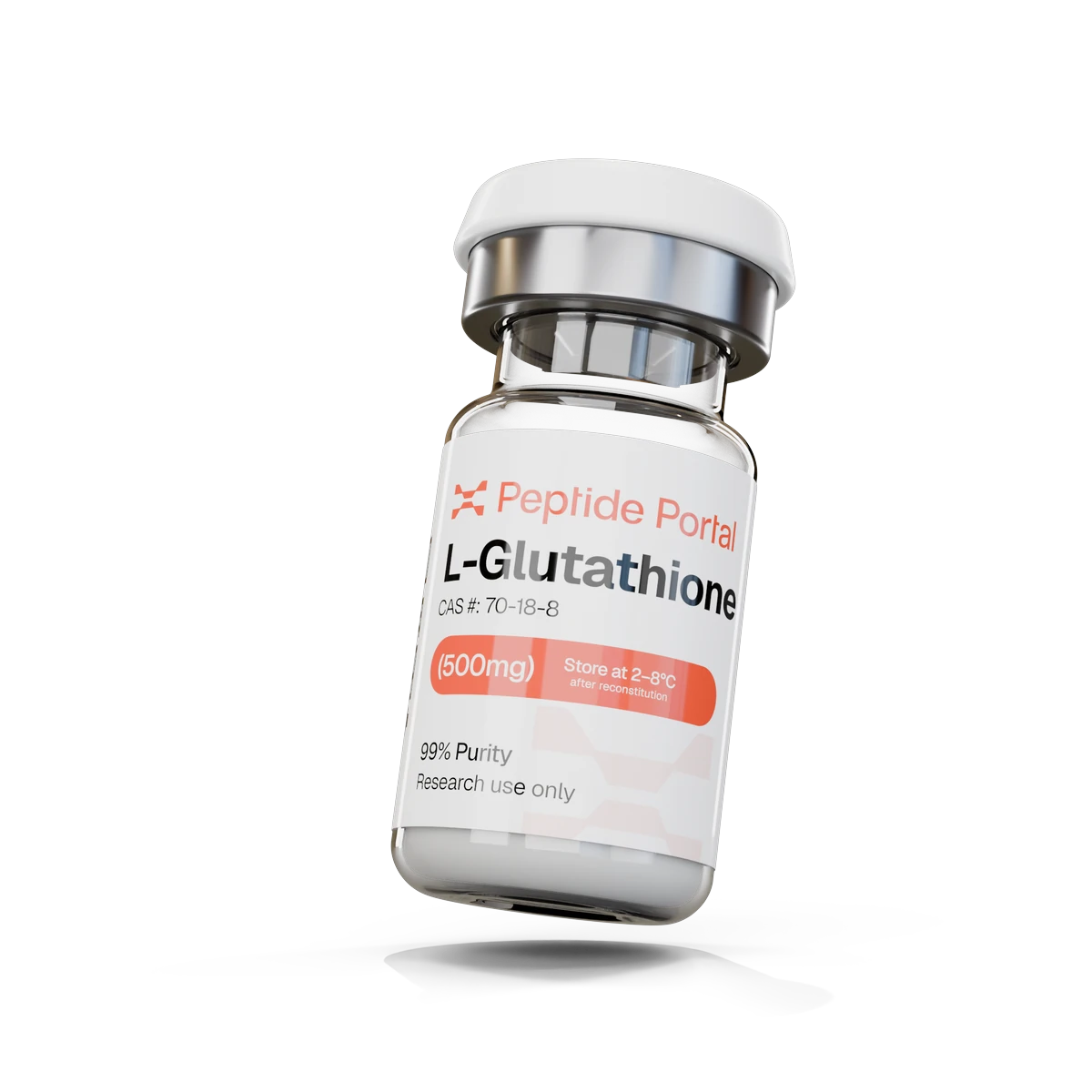
CAS #: 70-18-8
Peptide Portal supplies research peptides exclusively to qualified researchers and laboratories for in vitro and laboratory use. Products are not for human or veterinary use, not for use in diagnostic procedures, and have not been evaluated by the U.S. Food and Drug Administration.
L-Glutathione is a ubiquitous tripeptide present in virtually all living organisms, serving as a primary intracellular antioxidant and redox regulator. In its reduced form (GSH), it participates in neutralizing reactive oxygen species (ROS), maintaining redox homeostasis, and supporting the integrity of proteins, lipids, and DNA against oxidative stress. Through its sulfhydryl group on the cysteine residue, glutathione acts as a substrate for peroxidase enzymes that reduce hydrogen peroxide and lipid peroxides. Research models examine its role in phase II conjugation pathways, molecular proliferation and signaling, mitochondrial function, and protein folding regulation in laboratory settings. Forman et al. (2009).
Lu (2013).
Glutathione was first discovered in 1888 by J. de Rey-Pailhade as a sulfur-containing compound in yeast and animal tissues, initially termed "philothion." The complete chemical structure as a γ-glutamylcysteinylglycine tripeptide was elucidated in 1935 by Frederick Gowland Hopkins, who received the Nobel Prize for his contributions to vitamin discovery. Since then, glutathione has been recognized as a fundamental molecule in cellular biochemistry and redox biology.
Meister & Anderson (1983).
STEP 1
Compounds are produced under documented quality procedures, then freeze-dried and nitrogen-sealed in sterile vials.
STEP 2
ISO 17025 accredited third-party labs verify every lot — purity by HPLC, identity by mass spectrometry.
STEP 3
Orders leave our U.S. fulfillment center the same day, with tracking and discreet packaging on every order.
Our team works around the clock, 24/7.
Each vial contains the labelled quantity of lyophilized peptide. The stated milligram figure refers to the peptide content, not the total mass of the lyophilized cake.
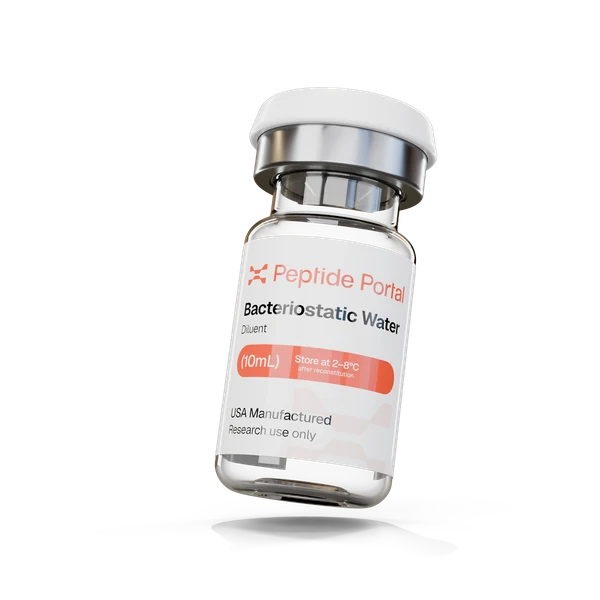
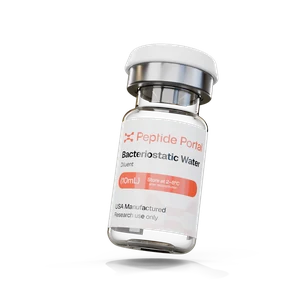
Reconstitution requires bacteriostatic water and appropriate laboratory equipment, which are not included.
Products ship as research materials without directions for use. Handling should follow your own laboratory protocols.
Store lyophilized material at 2-8°C and away from light. Once reconstituted, follow your laboratory's stability guidance.
This browser cannot display the certificate inline.